VISION

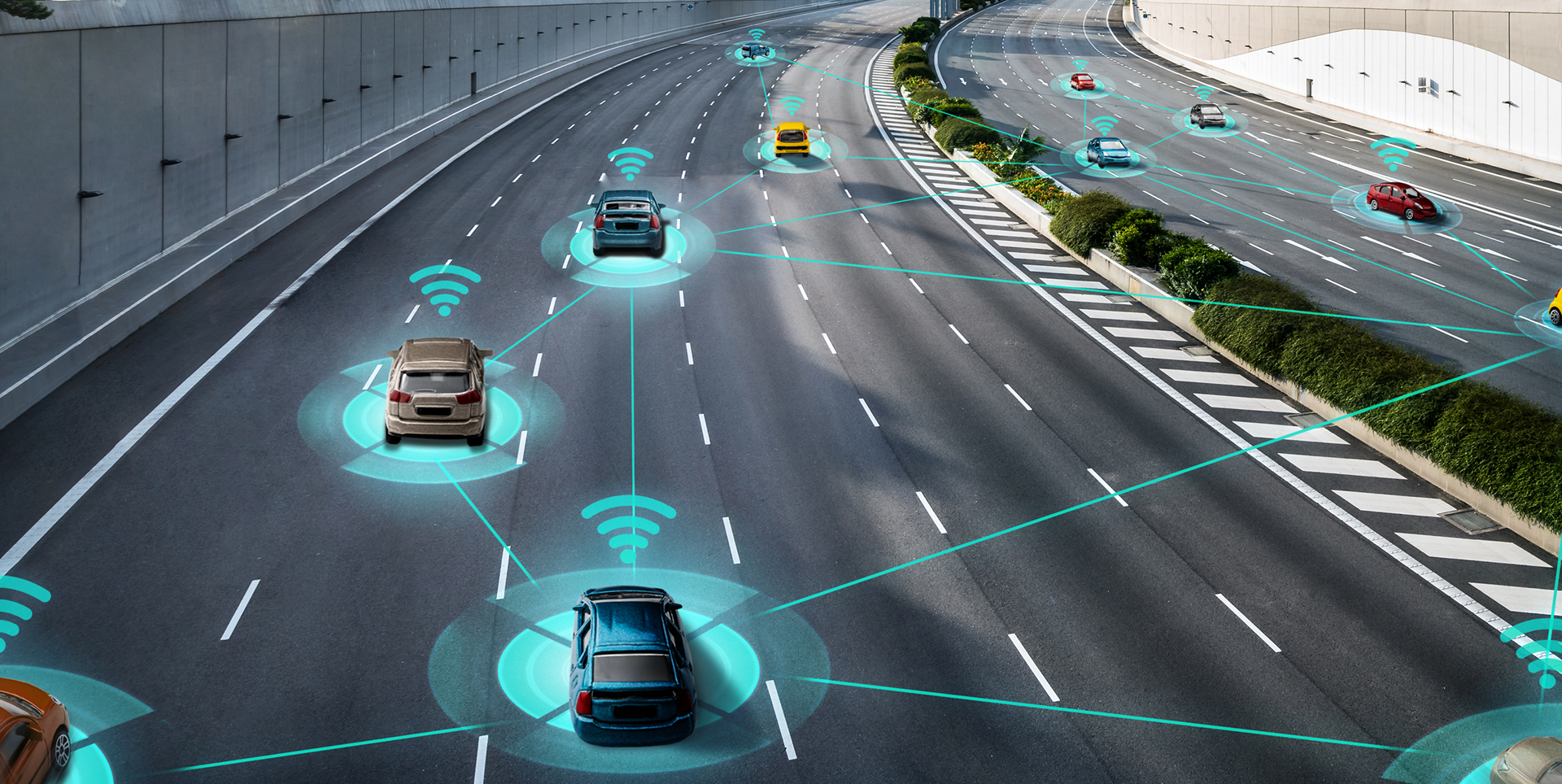
We utilize a variety of vision AI technologies, ranging from classic image processing

to classification, detection, and segmentation, to extract meaningful information
from multimedia data captured by various vision-based sensors, such as smartphones,
cameras, CCTV, RGB-D, and LiDAR, analyze it, and derive desired results.
Technology

  • Image Classification

    Classify images in real time using classification AI models like Resnet and Mobilenet.
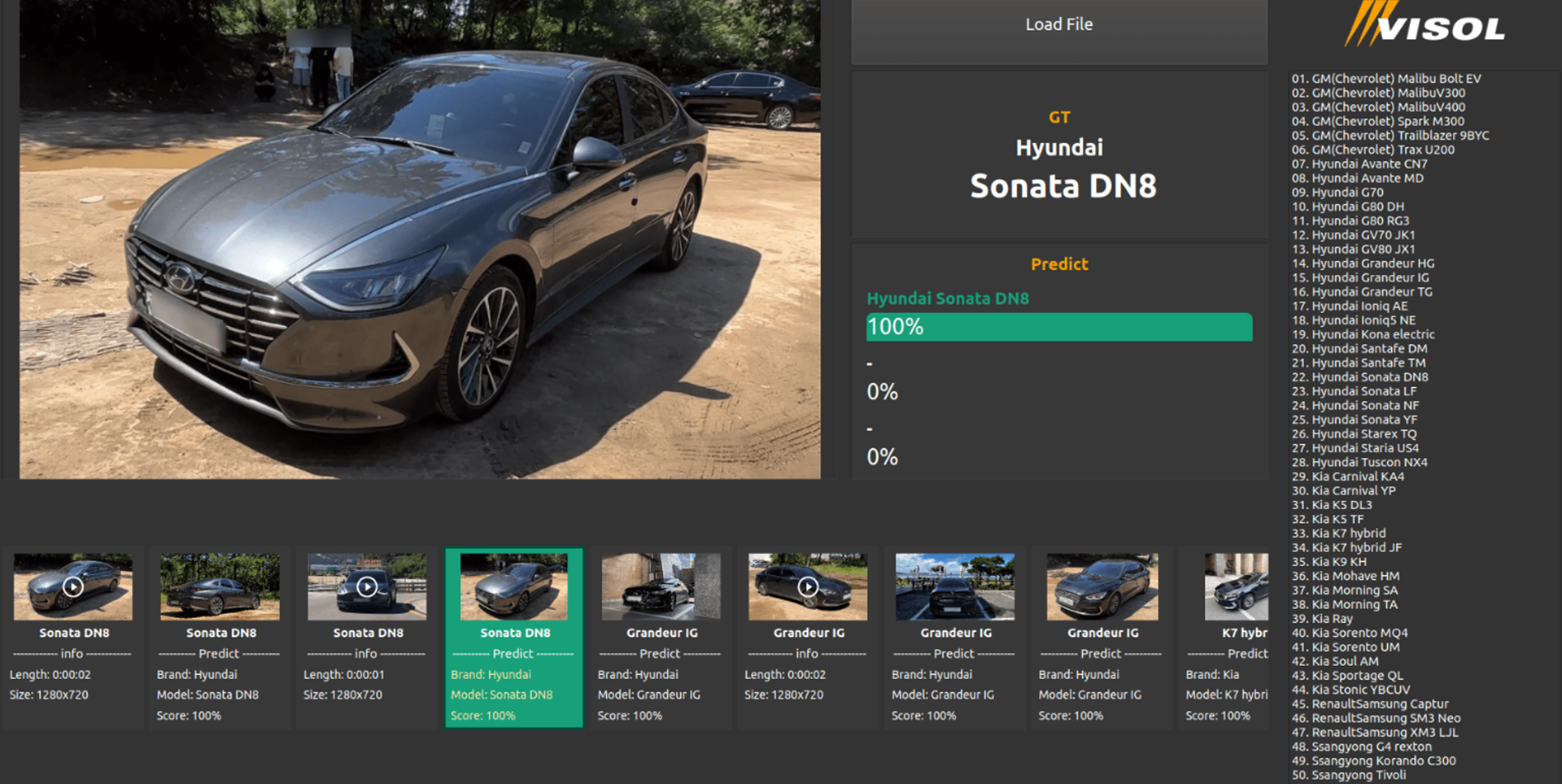
    While existing classification models can only distinguish between a broad range of classes, such as cars, trucks, and people, the developed classification model can even classify vehicle models, including their year and model.
    By analyzing classification models through eXplainable AI (XAI), we improve AI model accuracy and reliability.
  • Object Detection

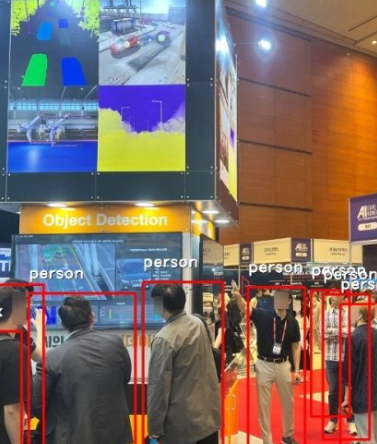
    Infers both the location (bounding box)
    and class of an object in real time. An AI model suitable for most tasks,
    boasting high speed and accuracy.
    Applies object tracking to estimate object
    trajectory, velocity, and ID.
    Advanced performance is achieved
    by applying various data augmentation techniques.
  • Image Segmentation

    Technology that learns and infers
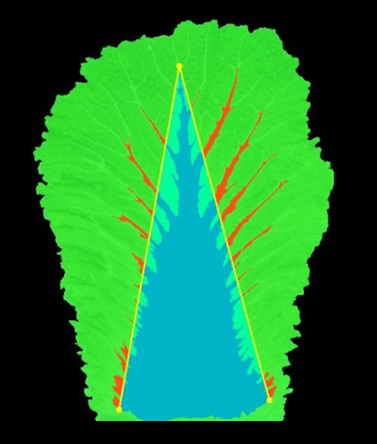
    information about images at the pixel level
    Among the AI ​​analysis technologies in the vision field,
    this technology requires the most computational power and performance.
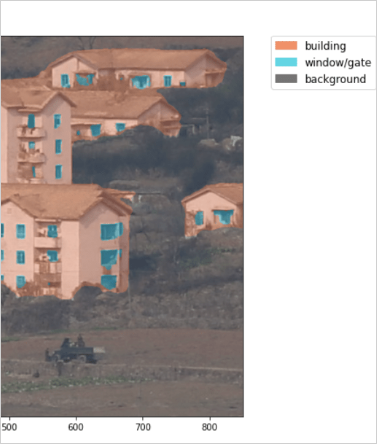
    It can infer the exact location of a building's exterior
    and windows down to the pixel level from an aerial shot or road view image.
  • Image Processing

    Improve low-light images with
    histogram equalization
    Extract desired information
    by selecting only objects of a specific color
    Perform data augmentation by adjusting brightness,
    saturation, contrast, etc., and improve the performance of AI models.
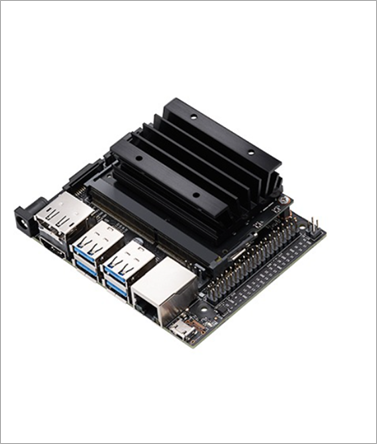
  • On-Device AI

    Applying various lightweight methods
    such as TensorRT and ONNX
    Fast inference in a Linux OS-based environment
    Maximize space efficiency by using products
    that are smaller than desktop PCs.
    No need to build a separate AI server as
    the embedded board is self-powered.